©2026 Tyrone
Jeshi, Kelvin Krash - Electric
CLIENT
Jeshi Kelvin Krash
OVERVIEW
CREDITS

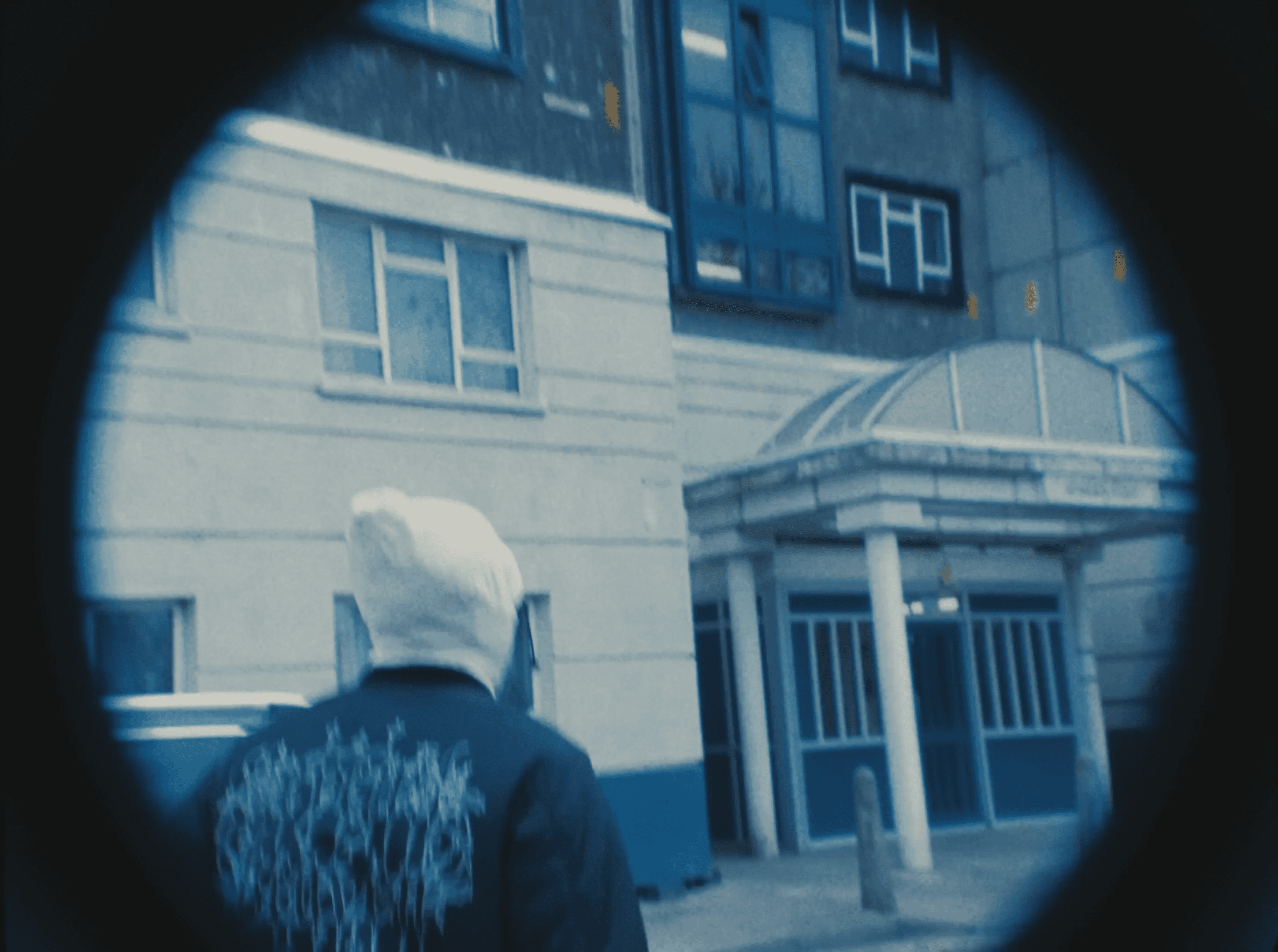
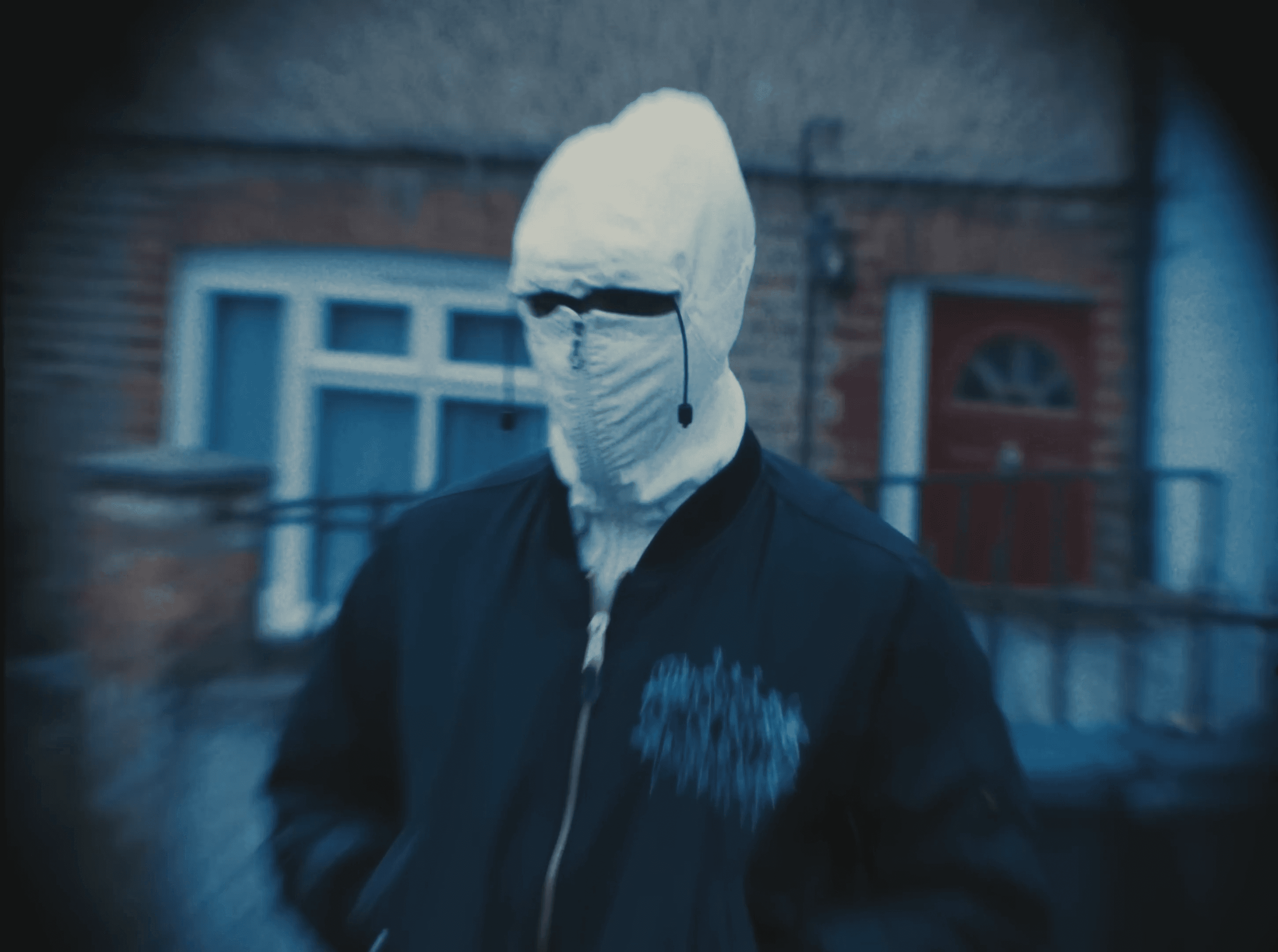
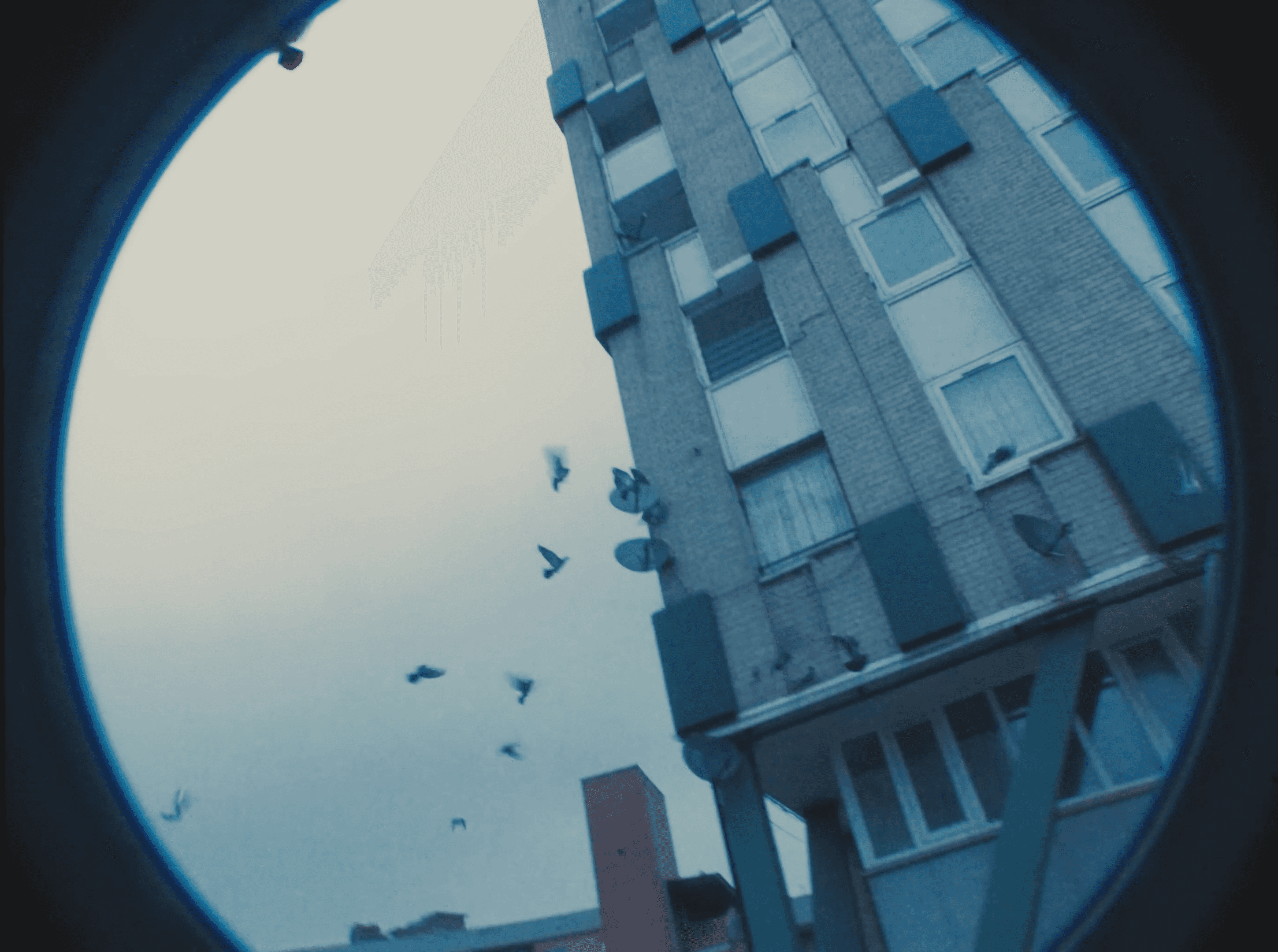
Growing up, I’ve always had a love for photography and video. It was a pleasure to be the DOP for this music video for London artists Kelvin Krash and Jeshi. With a minimal budget, Kelvin and I worked to create a gritty video, focusing on composition and grading to embody the feeling of growing up in London.
Growing up, I’ve always had a love for photography and video. It was a pleasure to be the DOP for this music video for London artists Kelvin Krash and Jeshi. With a minimal budget, Kelvin and I worked to create a gritty video, focusing on composition and grading to embody the feeling of growing up in London.
Tyrone Magnusen — DOP
Kelvin Krash — Director
Kelvin Krash — Cameraman
Tyrone Magnusen — 2nd Cameraman
Kelvin Krash — Video Editor
Tyrone Magnusen — Video Editor
SHOWREEL
PROJECT OVERVIEW
Towards the latter stages of the cinematics, the Territory team and I began shifting our focus to the intro load movie. These sequences introduced the main characters and helped set the tone for the game. With our deconstructed visual style already well established, this was an opportunity to push it further, experiment with new ideas and develop fresh assets for the title sequence.
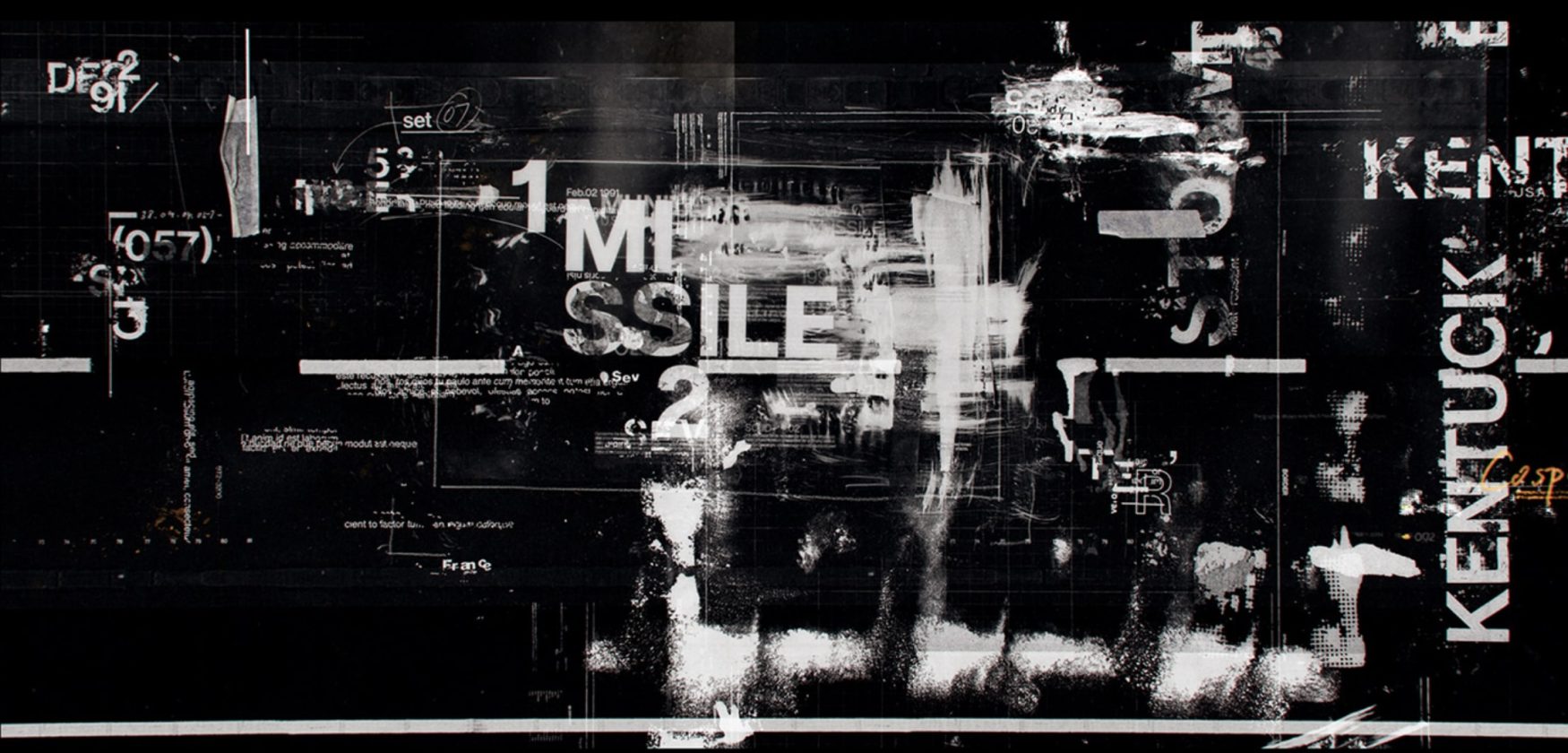
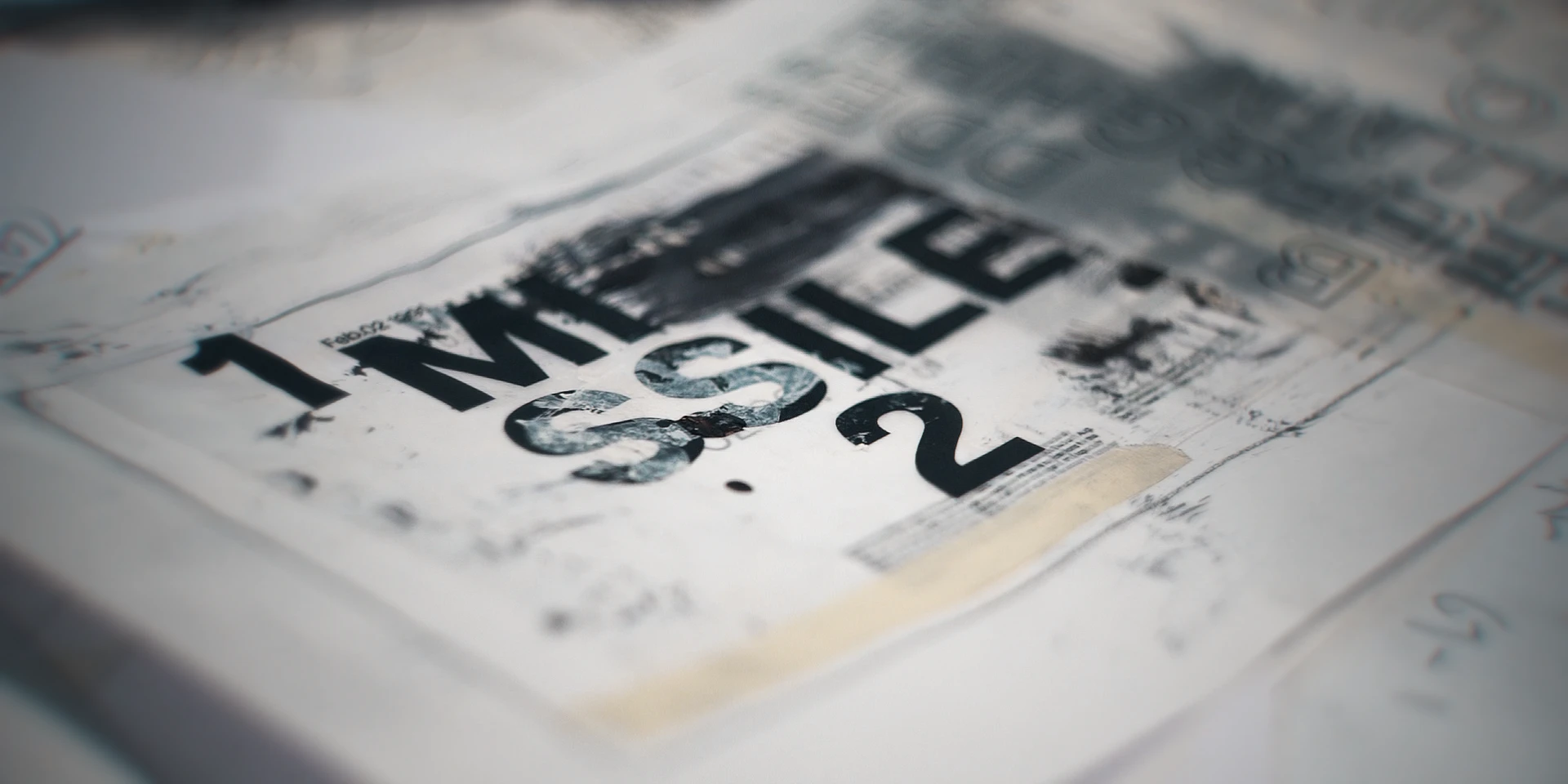
We carried over the same hands-on, tactile approach from earlier stages, creating textures by hand using arts and crafts tools before scanning them in to build our own custom library. Fingerprints, smudges, copier misalignments, scratches, paint splats and paper grain all became part of the visual language. These elements helped give the intro its gritty, grounded aesthetic, maintaining a consistent look throughout.
We began with clean, graphic compositions before gradually breaking them down through misalignment, distortion, layering and imperfections. This gave the visuals a sense of weight and history, making them feel like a natural part of the game's world.
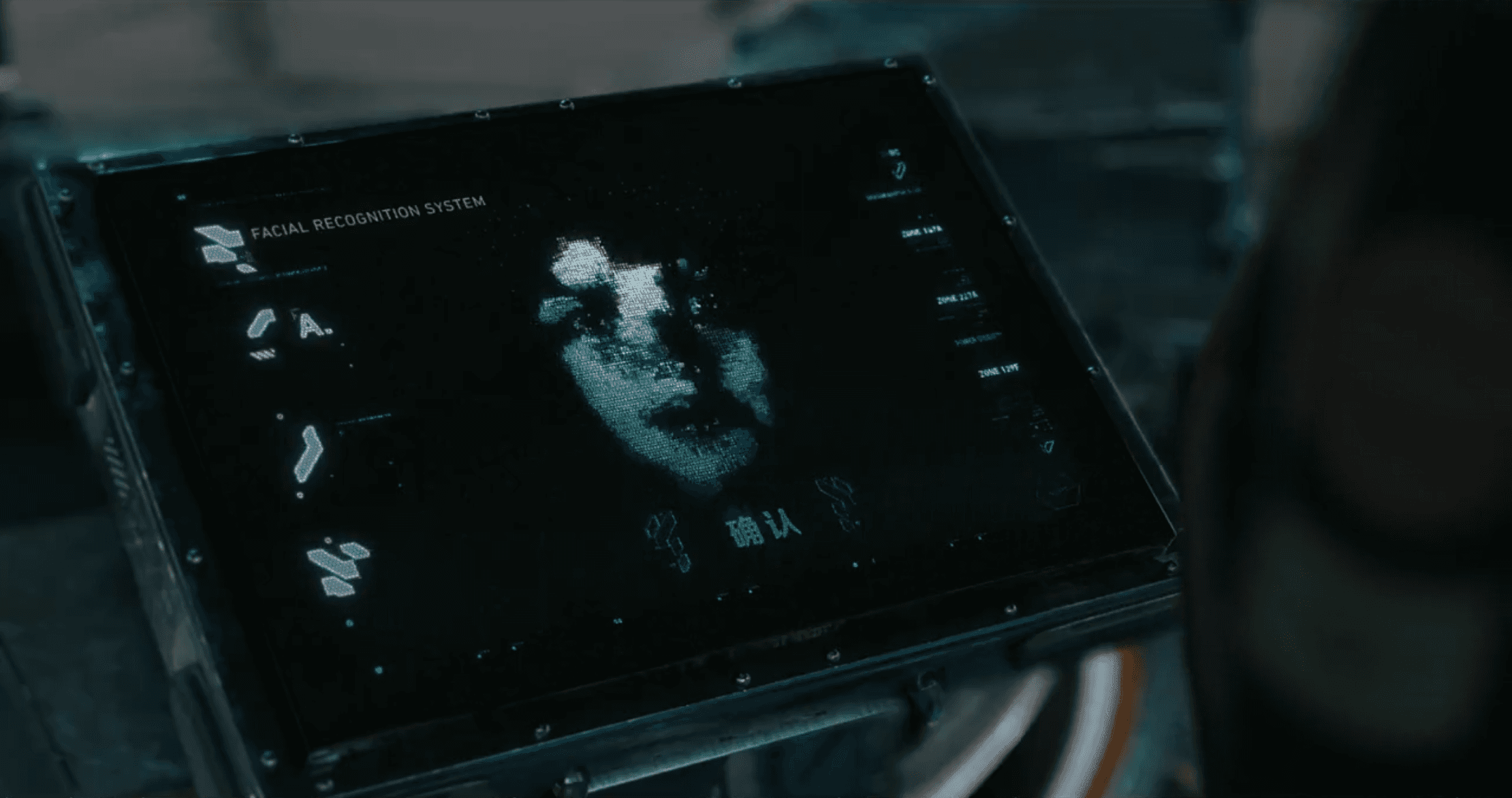
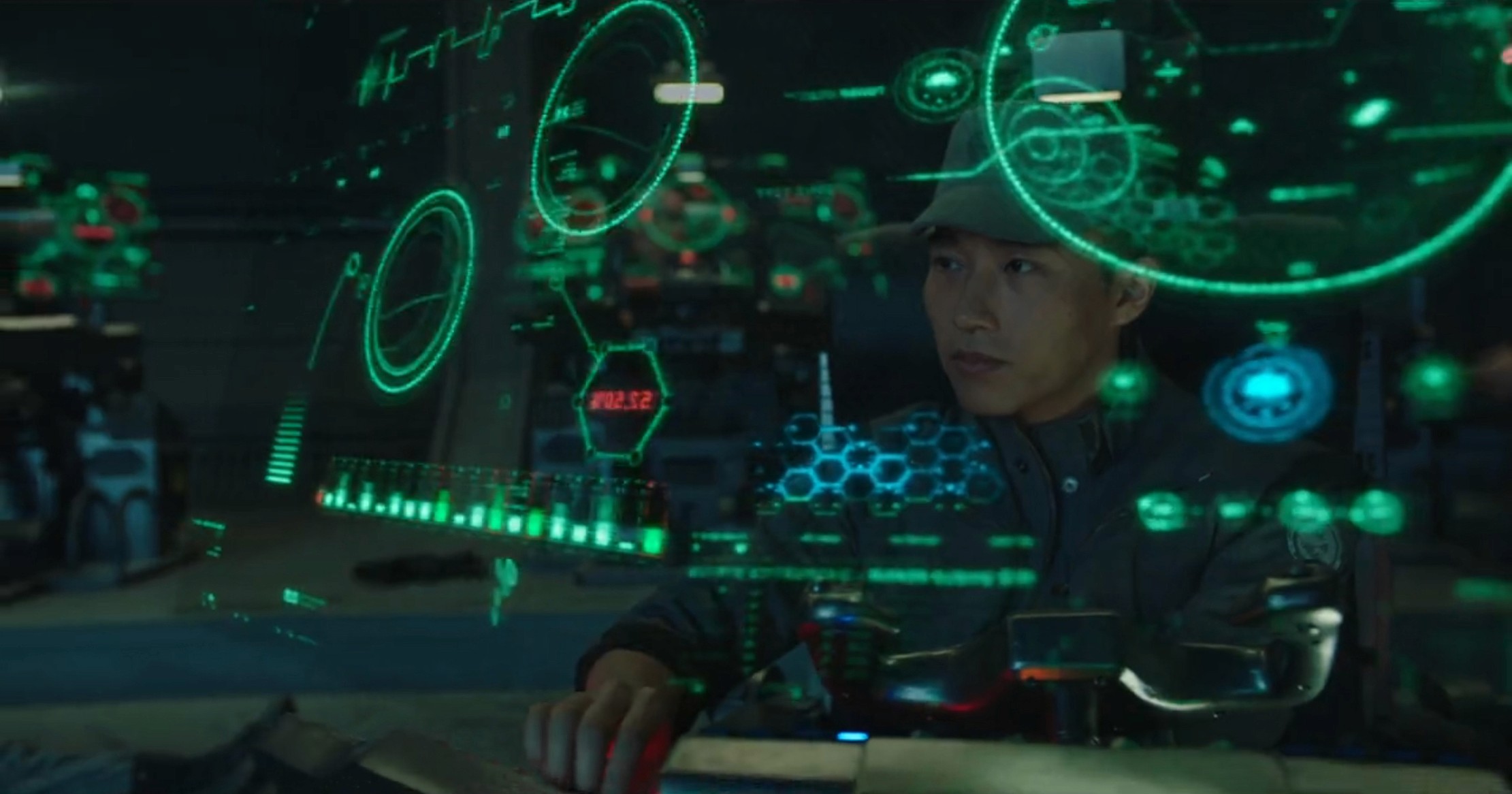
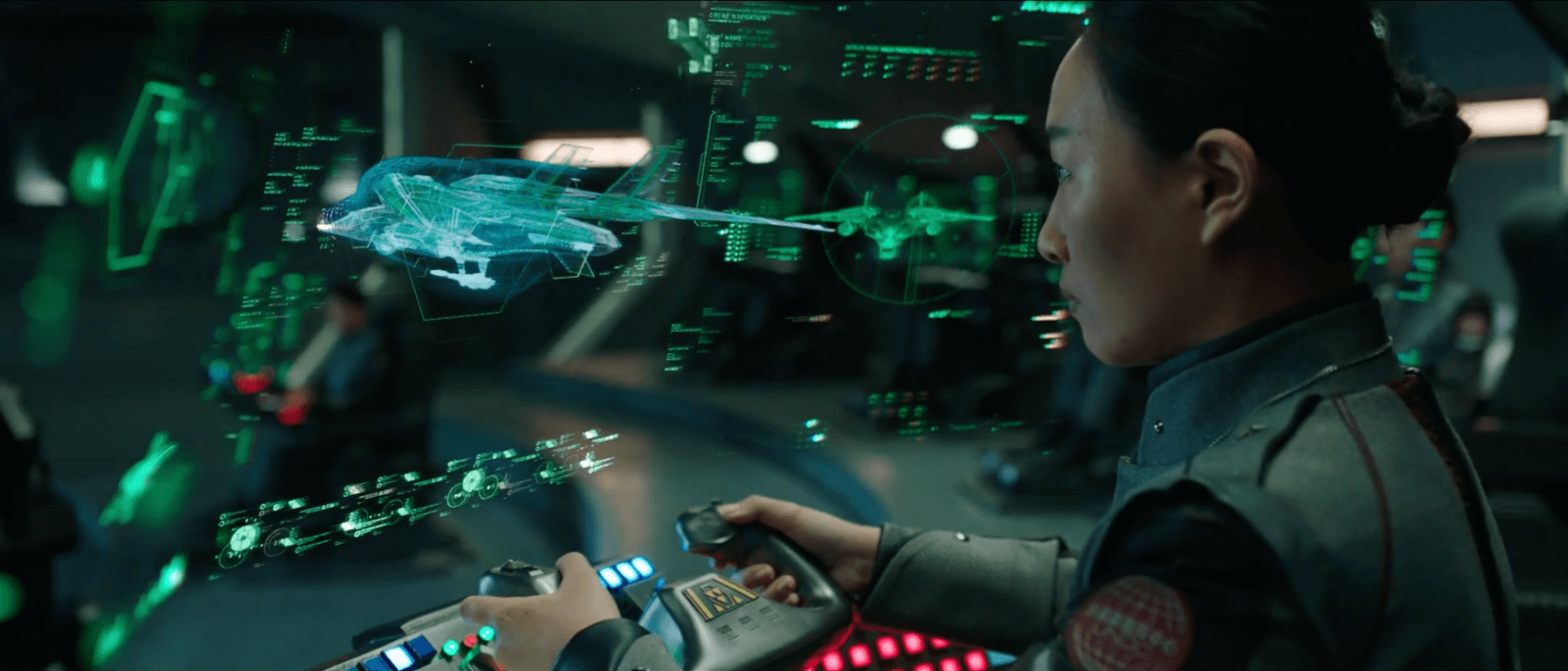
The final sequence above features a selection of work I contributed to, combining 2D and 3D workflows depending on the needs of each shot.
Below is a behind the scenes video put together by a good friend and colleague at Territory Studio, offering a closer look at the creative process and development of the visuals.
Further down, I've included a selection of individual shots that I personally created and led, highlighting my contributions to the sequence in more detail.
For the Black Ops 6 intro, we built a hand-made visual language from scanned textures, rough type, and layered imperfections.
Project Overview
Jeshi is a London-based artist who collaborated with music producer Kelvin Krash on this track, with Krash also taking on the roles of director and editor. I was invited to join the project as Director of Photography and camera operator, building on my close creative relationship with Krash.
In the weeks leading up to the shoot, we worked closely together to discuss visual references, potential locations, and the overall goals for the video. These early conversations helped us align on a vision that balanced raw, street-level authenticity with a cinematic edge. On set, I focused on framing, camera movement, and lighting to capture performances that felt immediate and honest.
Beyond the shoot itself, I also supported in the edit, refining pacing and helping shape how shots flowed together to match the track’s rhythm and energy. This involvement gave me the chance to contribute across both production and post-production, ensuring the final piece stayed true to our shared vision.
The project was a refreshing departure from my usual focus on motion graphics, and gave me the opportunity to expand my practice into live-action filmmaking and editing — something I’m keen to pursue further alongside my design work.
Project Overview
Jeshi is a London-based artist who collaborated with music producer Kelvin Krash on this track, with Krash also taking on the roles of director and editor. I was invited to join the project as Director of Photography and camera operator, building on my close creative relationship with Krash.
In the weeks leading up to the shoot, we worked closely together to discuss visual references, potential locations, and the overall goals for the video. These early conversations helped us align on a vision that balanced raw, street-level authenticity with a cinematic edge. On set, I focused on framing, camera movement, and lighting to capture performances that felt immediate and honest.
Beyond the shoot itself, I also supported in the edit, refining pacing and helping shape how shots flowed together to match the track’s rhythm and energy. This involvement gave me the chance to contribute across both production and post-production, ensuring the final piece stayed true to our shared vision.
The project was a refreshing departure from my usual focus on motion graphics, and gave me the opportunity to expand my practice into live-action filmmaking and editing — something I’m keen to pursue further alongside my design work.
TEXTURE
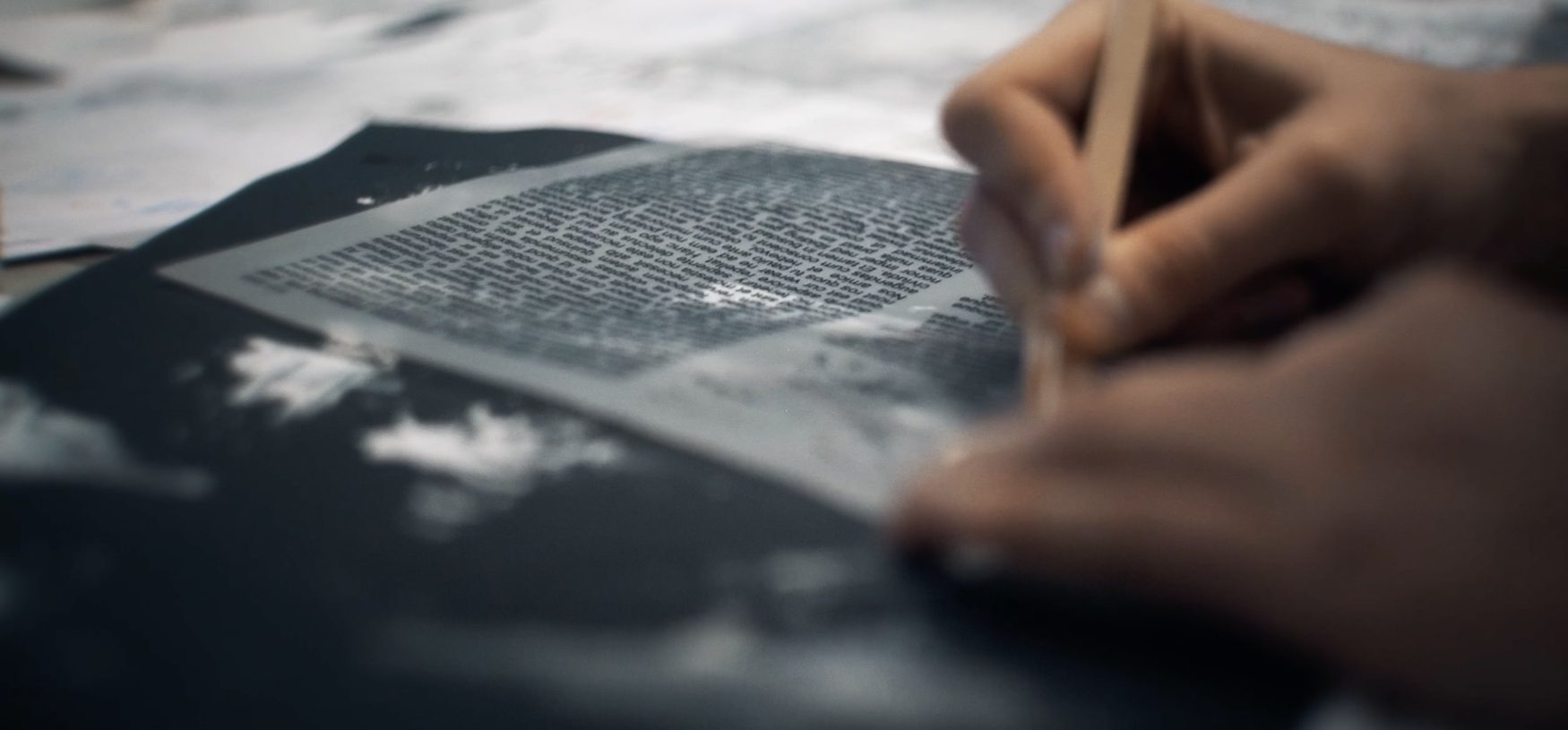
Some of the textures we created came from experimenting with Letraset, paint, scanned acetate and various other arts and crafts techniques. These hands-on processes allowed us to explore different materials and build a library of unique textures to incorporate into the visuals.
TEXTURE
Some of the textures we created came from experimenting with Letraset, paint, scanned acetate and various other arts and crafts techniques. These hands-on processes allowed us to explore different materials and build a library of unique textures to incorporate into the visuals.



More works


Back to home